
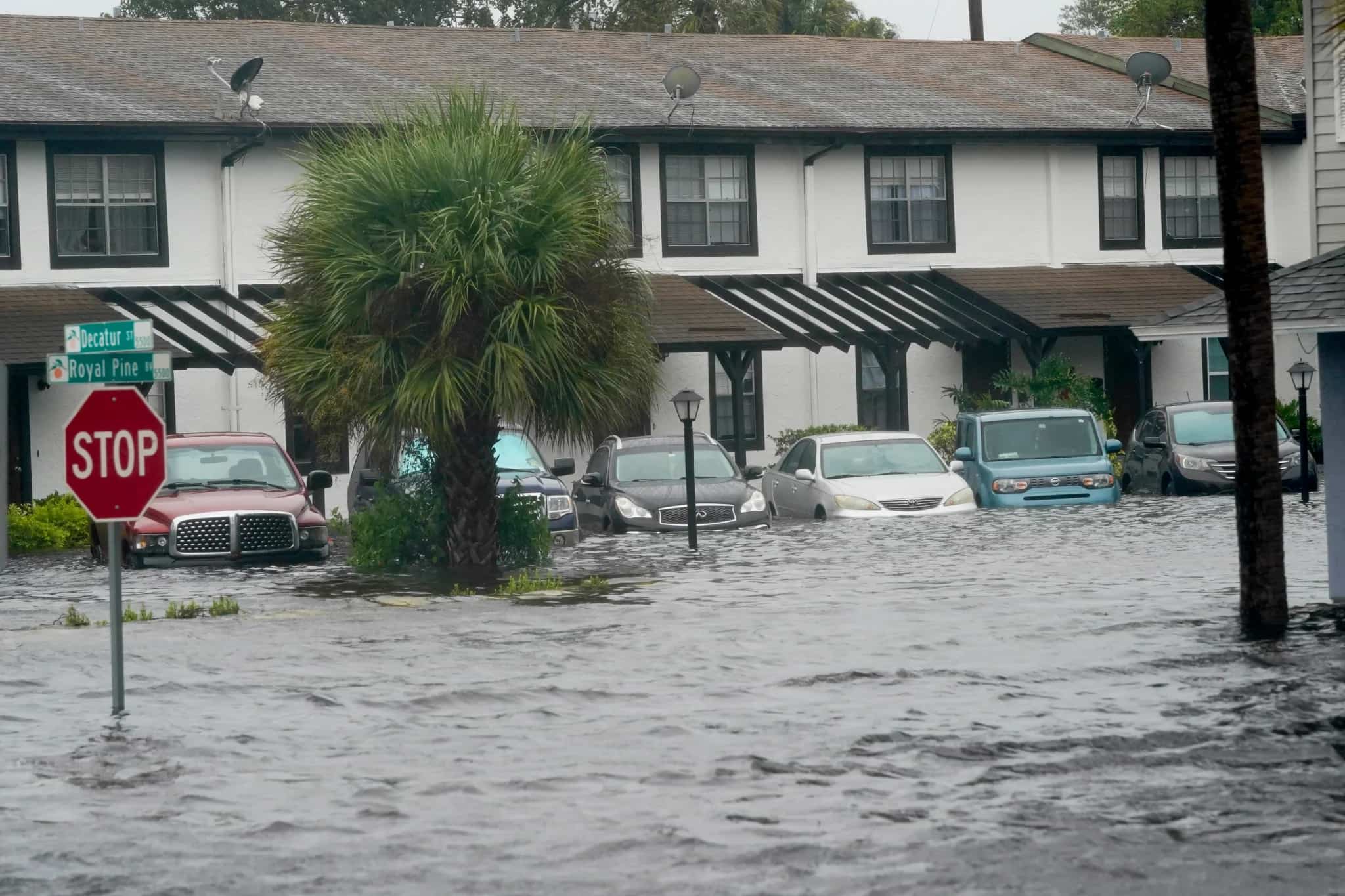
Why Hidden Water Damage Is So Common in Florida
Florida’s climate may be paradise but it is also a perfect breeding ground for hidden water damage. High humidity, heavy rainfall, and aging infrastructure make slow leaks and trapped moisture a year round concern for homeowners across Bradenton, Sarasota, and Palmetto.
While dramatic floods or burst pipes get immediate attention, it is often the unseen leaks such as slow drips behind walls, beneath floors, or in attics that cause the most expensive long term damage. These types of losses are also among the most disputed by insurance companies because they are difficult to date and document.
At Phoenix Claims Consulting, we have helped countless Florida homeowners uncover the true source of water damage, document it correctly, and recover fair insurance settlements even after an initial denial.
1. Roof Flashing and Skylight Leaks
Bradenton’s combination of sun, salt air, and tropical storms can wear down roofing materials quickly. The most common hidden source of water damage we see? Failed flashing around vents, skylights, and chimneys.
These small openings allow wind-driven rain to seep in gradually, wetting insulation and attic wood before visible stains appear. By the time homeowners notice, mold and rot may have already spread.
Tip: Inspect your roof every spring and fall, especially after major storms. If you see bubbling paint or ceiling discoloration, call a roofer and a public adjuster if water intrusion is confirmed.

2. Slow Plumbing Leaks Behind Walls
A small leak in a copper pipe or PEX joint can release gallons of water daily without being obvious. Because the plumbing in most Florida homes runs behind drywall or under slab foundations, these leaks often go undetected until you notice musty odors, warped baseboards, or mold spots.
Homeowners insurance may cover this type of loss if you can prove it was sudden or hidden, not the result of long-term neglect. Our adjusters document the leak’s pattern, moisture levels, and discovery timeline to strengthen your claim.
3. Air Conditioner Condensate Line Blockages
In humid coastal climates, A/C condensate drain lines are a surprisingly frequent source of hidden water damage. When algae or debris clog the line, condensation backs up and overflows, often dripping into attic insulation or wall cavities.
Since many A/C units in Manatee and Sarasota counties are located in attics, these leaks can go unnoticed until the ceiling collapses. Routine maintenance and flushing the drain line can prevent costly surprises.
4. Water Heater Corrosion
As we covered in our recent blog, Does Homeowners Insurance Cover Water Heater Leaks?, corroded or aging tanks are another common culprit. Small leaks at the base or fittings may slowly release moisture into walls or cabinets before anyone notices.
If the damage was sudden and accidental (for example, a tank rupture), insurance usually covers the resulting water damage, but not the heater replacement itself.
5. Window and Door Seal Failures
In coastal areas like Bradenton and Lakewood Ranch, salt air and intense sun degrade sealants quickly. Even tiny gaps around window frames can allow rain to intrude over time, damaging drywall, wood trim, and flooring.
Many homeowners mistake this for humidity or condensation issues, but our inspections often reveal structural water intrusion. Properly sealing windows and checking weatherstripping annually can save you from costly repairs.

6. Slab Leaks Beneath the Foundation
Older Florida homes often have plumbing lines embedded in concrete slabs. Over time, shifting soil or corrosion can cause leaks that saturate the foundation.
Because slab leaks develop out of sight, the first clues are warped flooring, hot spots on tile, or unexplained water bills. Insurers sometimes deny these claims by labeling them “long-term leaks.” A public adjuster can help establish that the damage was hidden and only recently discovered, qualifying it for coverage under most policies.
When Insurance Companies Deny Hidden Water Damage
Florida insurers often deny coverage for slow leaks, claiming “maintenance neglect” or “long-term seepage.” Unfortunately, that leaves many homeowners paying out of pocket for extensive repairs.
But hidden water damage can be covered if you act quickly once it’s discovered. The key is proving that:
- You couldn’t have known about the leak sooner.
- You took immediate steps to stop further damage.
- The cause was sudden or hidden, not negligence.
At Phoenix Claims Consulting, we specialize in building the evidence insurers need—moisture readings, infrared imaging, expert reports—to get your claim accepted or reopened.
What to Do If You Suspect Hidden Water Damage
- Take photos and videos immediately. Capture all visible signs, no matter how small.
- Avoid demolition until inspected. Removing wet materials before documentation can weaken your claim.
- Call a public adjuster before calling your insurer. We’ll verify the cause, document the damage, and help you file correctly.
- Schedule a leak detection test. This helps pinpoint the source and date of loss.
Local Expertise, Real Results
Our licensed adjusters live and work here in the Bradenton and Sarasota area, so we understand how Florida’s climate and construction impact claims. We’ve successfully recovered settlements for hidden leaks in Palmetto, Parrish, Venice, and Lakewood Ranch, ensuring homeowners get the coverage they pay for.
Whether it’s a corroded pipe, failed roof flashing, or unseen slab leak, our mission is to protect your property—and your peace of mind.